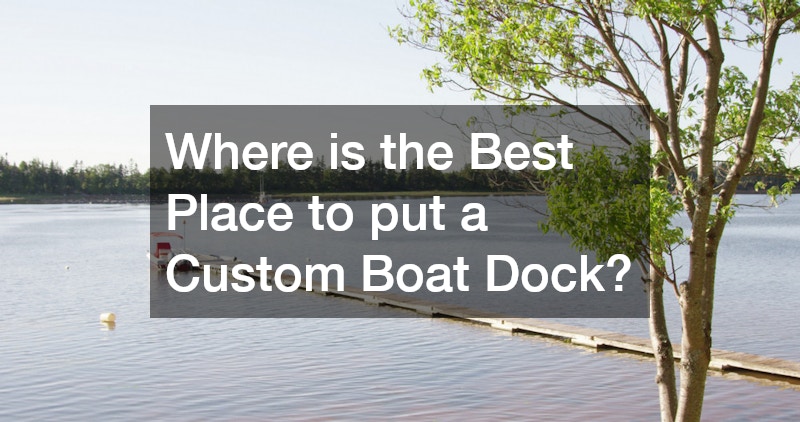
The decision to install a custom boat dock is both exciting and daunting. This structure can greatly enhance your waterfront property, providing a personal space for relaxation, recreation, and connection to the water. However, selecting the correct site for your boat dock is crucial to maximizing its benefits and longevity.
Understanding the Importance of Location
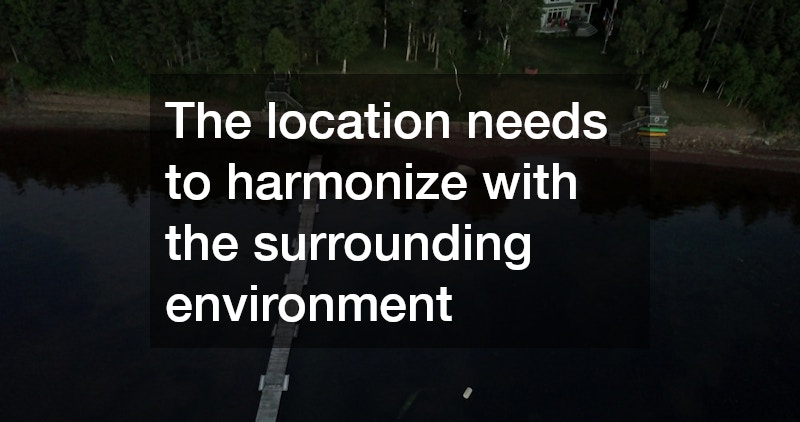
Choosing the right location for your custom boat dock involves numerous considerations that go beyond mere aesthetics. The location needs to harmonize with the surrounding environment while accommodating the practical needs of boat docking. For example, the right location ensures safe navigation, minimizes environmental impact, and optimizes the usability of the dock.
First, assess the water depth where the dock will be placed. Ideal sites have uniform water depths that cover the dock during low tide, preventing potential grounding. An inconsistent depth causes wear and tear on the dock structure and can hinder vessel access, thus requiring painstaking maintenance.
Equally important is considering wave action and prevailing winds. A location with consistent weather patterns and minimal wave action will lower the likelihood of damage due to strong tides or storms. These environmental factors should be meticulously assessed to ensure a durable and reliable dock that stands the test of time.
Evaluating Environmental Impact
The construction of a custom boat dock must account for its potential impact on the local ecosystem. Sensitive areas such as wetlands or regions with diverse marine life should be approached with protection in mind. Placement in these locations must comply with regulatory standards to preserve aquatic habitats.
In addition, selecting a site that minimizes the disruption of current water flows can reduce erosion and sedimentation issues. This not only protects the natural environment but also sustains the structural integrity of your dock. Natural buffers like vegetation are beneficial in filtering runoff and protecting the shoreline.
An environmentally responsible location choice also involves understanding local wildlife patterns. Avoiding areas that serve as breeding grounds or migratory stopovers for protected species is critical. Knowing the local flora and fauna ensures that your dock coexists peacefully with nature.
Assessing Shoreline Conditions
The condition of the shoreline is another determining factor in dock placement, as it directly affects accessibility and structural stability. A stable coastline with adequate space is ideal for a functional dock that serves both utility and enjoyment. Evaluating soil composition and erosion rates ensures the dock’s secure installation.
Shorelines with rocky, sandy, or muddy compositions all present unique challenges. While rocky shores offer solid anchorage, they can complicate construction efforts. Sandy and muddy shores, meanwhile, might require additional reinforcement to prevent gradual sinking or shifting.
Erosion control measures should be accounted for in planning to prevent future degradation of the environment and shoreline. Utilizing bulkheads or other stabilization structures may be necessary to maintain the natural shoreline, protecting both the dock and the surrounding ecosystem.
Determining Accessibility and Convenience
Accessibility is key in determining where to place a custom boat dock. It should be easily reachable from the property with convenient pathways that enhance the user experience. Ensuring proper accessibility not only makes the dock more enjoyable but also more practical for activities like loading and unloading supplies or passengers.
Proximity to the primary residence or boathouse is worth considering, as this affects the level of usability and security of the dock. A strategically placed dock allows for quick and easy access, encouraging frequent usage for recreation or maintenance purposes.
Additionally, thoughtful integration of lighting and utilities, such as water and electricity lines, enhances convenience. These utilities ensure that the dock serves as a fully functional extension of the home, suitable for various activities like nighttime fishing or hosting small gatherings.
Meeting Legal and Regulatory Requirements
In addition to practical and ecological considerations, adhering to local legal and regulatory requirements is crucial when choosing a site for a custom boat dock. Permits and approvals from relevant authorities must be secured to prevent legal setbacks and fines. Understanding local zoning laws is a necessary preparatory step.
Regulations often address aspects such as dock size, extension length, and allowed materials. Adhering to these guidelines ensures not only compliance but also maintains community harmony. Consulting with local governance and marine construction professionals simplifies the permitting process.
Additionally, addressing navigational safety standards ensures that your dock does not pose a hazard to passing vessels. Clear communication and signage regarding the presence of your dock adds a layer of protection and oversight for both personal and public safety concerns.
Considering Personal and Aesthetic Preferences
Personal preferences and the aesthetic harmony of the dock with the landscape should also play a role in your decision-making. A custom boat dock can be a beautiful addition to your property, complementing the natural surroundings. Thoughtful design and materials can turn your dock into a personal waterfront sanctuary.
Consider how the dock will fit into your overall landscape plan. You may want to choose materials and architectural styles that reflect the surrounding environment’s natural beauty. Incorporate features such as seating areas or covered sections to enhance enjoyment and encourage outdoor living.
Finally, your custom boat dock should reflect your lifestyle and recreational needs. Whether you prioritize fishing, lounging, or entertaining, the design should cater to those desires, ensuring that the dock becomes more than just a utilitarian space, but a personal retreat where you create lasting memories.