Landscape design is not just about beautifying your outdoor spaces; it’s a blend of art and science aimed at creating functional, aesthetically pleasing environments. At the core of effective landscape design is the understanding of natural elements like plants, trees, and topography. These elements are the building blocks that designers use to shape spaces, ensuring they not only look good but also serve the needs of those who use them.
Experienced landscape designers consider the compatibility of plant species as well as environmental factors such as climate and soil when planning a project. They strive to create harmonized environments that foster biodiversity while enhancing the functionality of outdoor areas.
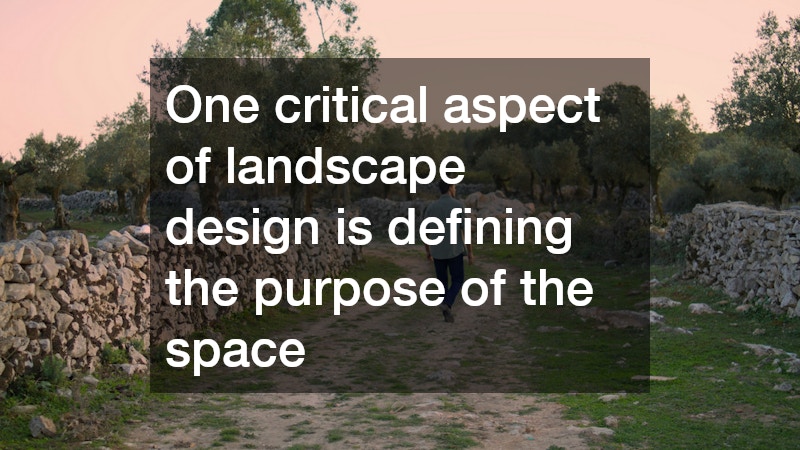
One critical aspect of landscape design is defining the purpose of the space. Whether you’re designing a small backyard or a large park, having a clear intention helps in making informed decisions about layouts and plant selections. For instance, a garden designed for relaxation might incorporate soothing water features and shaded areas, while a play area for children would focus on safety and open spaces. By clearly outlining the purpose, designers can prioritize elements that will offer the most value and satisfaction to users. Thoughtful consideration of these factors ensures that the design process is focused and effective, ultimately resulting in spaces that meet user needs while being visually compelling.
The role of scale and proportion is another foundational concept in landscape design. Designers must consider the size of plants at maturity to ensure they fit appropriately in the designated space. Scale refers to how objects relate to one another in terms of size, and getting this right is crucial for a balanced look. Proportion, on the other hand, deals with the relative size of design elements to the overall landscape. Mastering these two elements allows designers to create cohesive and visually appealing outdoor spaces, ensuring that plantings, structures, and pathways work together harmoniously.
Key Elements to Consider in Landscape Design
Color, texture, and form are vital components in landscape design, each contributing to the overall aesthetic and feel of a garden. Color can evoke emotions and moods, enhancing the thematic expression of a garden space. Designers often use color to create focal points, highlight features, and add vibrancy where desired. Texture, on the other hand, pertains to the surface quality of plants and hardscape, providing depth and contrast. By understanding and effectively using these elements, designers can create dynamic and engaging outdoor environments that captivate visitors and encourage them to explore.
Another essential part of landscape design is the integration of hardscape elements, such as patios, walkways, and retaining walls. Hardscapes provide structure and form to a garden, creating pathways that guide movement and define boundaries within the space. When planning hardscape, designers take into account the durability and maintenance needs of the chosen materials to ensure the space remains easy to use and long-lasting. The art of integrating these elements is in finding a balance that complements the softscape—plants and greenery—while remaining functional and safe for users. A thoughtfully designed hardscape can enhance both the practical and aesthetic aspects of a landscape.
The use of focal points is a strategic tool in landscape design, serving to draw attention and create interest within a garden. A focal point can be anything from a sculptural object to a striking plant or water feature, chosen for its ability to capture attention and anchor the design. Proper placement of focal points within a landscape ensures that the eye is guided through the space, offering a point of interest or contemplation. The choice and positioning of focal points require a keen eye and creative insight. Ideally, they should reflect the theme and purpose of the landscape to maintain cohesiveness throughout the design.
Sustainability and Eco-Friendly Practices in Landscape Design
Modern landscape design increasingly incorporates sustainability principles to minimize environmental impact. One approach is to use native plant species that are well adapted to local conditions, thus requiring less water and maintenance. Designers also focus on creating low-impact landscapes that conserve water, improve soil health, and enhance biodiversity. By concentrating on these eco-friendly practices, landscape design can significantly contribute to environmental sustainability and resilience. In addition, utilizing renewable resources and recyclable materials in hardscapes further supports a sustainable approach.
Another dimension of sustainable landscape design is the implementation of rainwater harvesting and efficient irrigation systems. Collecting rainwater reduces reliance on municipal water sources while providing a natural method for watering plants. Efficient irrigation systems, such as drip irrigation, ensure that water is delivered directly to the root zones with minimal waste. This not only conserves water but also promotes healthier plant growth by preventing overwatering and root rot. Such systems are invaluable in regions with limited water resources, aligning with broader conservation goals.
The design of permeable walkways and patios is an integral part of sustainable landscape design. Permeable materials allow water to infiltrate the ground rather than run off, thereby reducing water pollution and promoting groundwater recharge. This approach helps manage stormwater runoff and decreases the risk of flooding. Designers carefully select materials for these features, balancing aesthetics with environmental benefits. The result is landscapes that not only comply with ecological standards but also offer functional and visually pleasing outdoor spaces.