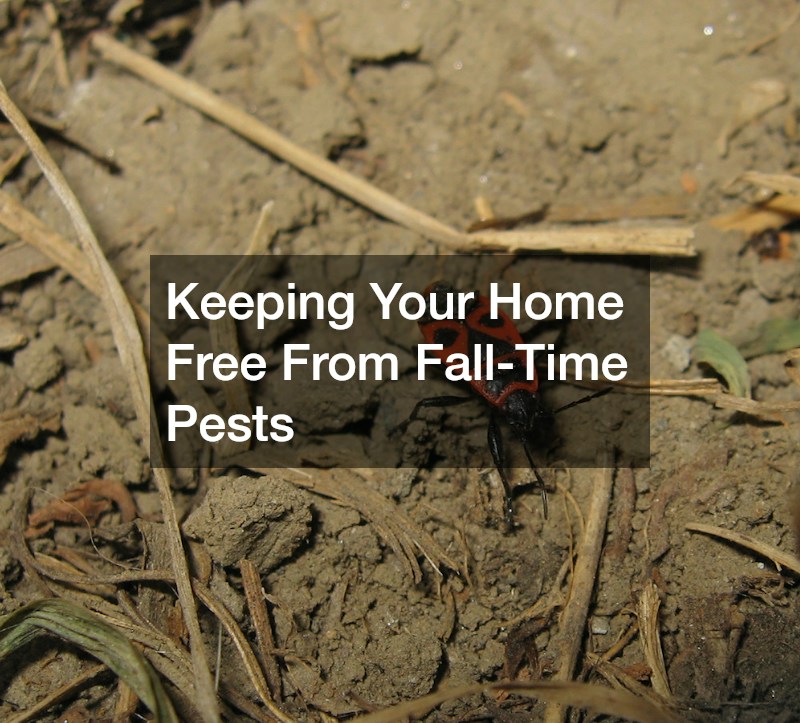
As autumn temperatures begin to drop and trees shed their colorful leaves, humans are not the only ones looking to retreat indoors for warmth. Cooler autumn weather signals a survival instinct for various pests to search for shelter, water, and food sources to carry them through the winter. Insects like stink bugs, boxelder bugs, spiders, and Asian lady beetles, along with rodents such as mice and rats, actively seek out tiny openings in residential structures to build nests. During this time of year, consulting reputable pest control companies can help you identify vulnerable entry points around your property before seasonal invaders move in. Understanding these migration patterns makes it much easier to anticipate where pests will attempt to enter.
Left unchecked, an influx of autumn pests can quickly transform from a minor annoyance into a serious structural or health concern. Rodents are known to chew through drywall, insulation, and electrical wiring, creating potential fire hazards, while insect droppings can trigger allergies and asthma symptoms in sensitive individuals. Implementing proactive, seasonal maintenance around your property is the most effective way to bar entry to these unwanted seasonal intruders before the cold weather sets in.
Sealing External Entry Points and Foundation Gaps
The primary step in autumn pest prevention is fortifying your home’s exterior shell against entry. Small rodents like field mice can squeeze through holes as small as a dime, while insects can enter through hairline cracks in mortar or window frames. Inspect your home’s foundation, exterior walls, and siding for gaps, paying special attention to areas where utility lines, gas pipes, and outdoor plumbing enter the building. Even small gaps around foundation vents can serve as major highways for opportunistic pests.
Use a high-quality silicone-based caulk or expandable polyurethane foam to fill small cracks around window and door frames. For larger gaps or holes near utility pipes, pack the opening with steel wool before sealing it with caulk, as rodents cannot easily chew through metal fibers. Ensure that garage doors, basement entryways, and exterior doors feature intact, snug-fitting door sweeps along the bottom edge to eliminate light gaps where insects crawl through.
Eliminating Outdoor Attractants and Yard Clutter
Your home’s surrounding landscape often serves as the initial staging ground for invading pests. Piles of fallen leaves, dense brush, and unpruned shrubbery right next to your foundation offer dark, damp harborages for spiders, beetles, and rodents. Rake up leaf litter promptly, trim overgrown tree branches so they do not touch the roofline or siding, and maintain a clear perimeter around your home’s base. Keeping a clear gravel or mulch border right along the foundation discourages pests from nesting near walls.
Firewood storage is another common vector for late-season infestation. Stacking logs directly against an exterior wall gives wood-boring insects, spiders, and mice a warm shelter right next to your living quarters. Store all firewood at least twenty feet away from the house, elevated off the ground on a metal rack or wooden pallet. Additionally, clean out gutters and downspouts to prevent stagnant water and soggy leaves from creating moisture pockets that attract damp-loving insects like silverfish and cockroaches.
Managing Indoor Food and Moisture Sources
Pests that make it inside are primarily seeking two things: nourishment and water. Cutting off access to food inside your kitchen, pantry, and basement will drastically reduce the likelihood that pests remain or multiply within your home. Store pantry staples like flour, sugar, cereals, and dry pet food in rigid, airtight plastic or glass containers rather than original cardboard boxes, which rodents and pantry beetles can easily chew through. Taking a few extra minutes to wipe down food storage shelves prevents tiny spills from attracting scavengers.
Consistent sanitation plays a vital role during the autumn season. Sweep up crumbs daily, wipe down kitchen countertops, dispose of trash in covered bins, and avoid leaving pet food out in open bowls overnight. In damp areas like basements, attics, and crawlspaces, set up dehumidifiers or improve ventilation to eliminate excess humidity. Repair leaking pipes, dripping faucets, or sweating air conditioner lines promptly, as even tiny water accumulations provide enough moisture for pests to thrive. Fixing minor plumbing drips promptly deprives invading insects of the vital water source they need to survive.
Partnering with Professional Pest Control Services

While DIY maintenance goes a long way toward deterrence, heavy infestations or persistent structural entry points often require professional expertise. Leading pest control companies utilize specialized equipment, eco-friendly barrier treatments, and detailed exclusion techniques to protect a home’s entire perimeter. Scheduling a comprehensive seasonal inspection with licensed pest control companies ensures that vulnerable areas like attic vents, chimney caps, and crawlspace hatches are evaluated and reinforced correctly.
Professional technicians can also identify specific pest species, trace active rodent trails, and apply targeted treatments that are safe for pets and family members. Partnering with established pest control companies provides a continuous layer of protection throughout the autumn and winter months, keeping your living space clean, quiet, and completely pest-free.