
Buying a first property is exciting, but it also introduces a long list of maintenance responsibilities that may feel unfamiliar. New homeowners often discover small issues after moving in, and not every repair needs to happen immediately. The key is learning how to separate urgent problems from cosmetic improvements so time and money are directed toward the areas that matter most.
A useful repair plan starts with safety, weather protection, structural condition, and systems that affect daily access to the home. Once those priorities are addressed, homeowners can move on to comfort, appearance, and convenience. Exterior components such as the roof, gutters, siding, windows, garage doors, and stucco all work together to protect the property from moisture, wind, heat, and changing seasonal conditions.
First-time owners should also remember that repairs rarely exist in isolation. A leaking gutter can contribute to siding damage, a failing roof can create interior water problems, and a damaged door can affect security and energy efficiency. By evaluating the property as a complete system, homeowners can create a realistic repair sequence, avoid unnecessary work, and build a maintenance routine that supports the home for years.
Start With Safety and Active Water Problems
The first repairs to address are those that affect personal safety or allow water to enter the home. Active leaks, loose railings, damaged electrical components, broken locks, unstable steps, and significant structural concerns should move to the top of the list. Problems involving water deserve particular attention because moisture can spread into walls, ceilings, insulation, flooring, and framing before the full extent of the damage becomes obvious.
After heavy rain, walk around the property and look for water pooling near the foundation, overflowing gutters, missing shingles, damaged flashing, cracked exterior surfaces, or stains beneath roof edges. Indoors, inspect ceilings, attic areas, walls, and window frames for discoloration, dampness, or peeling paint.
A roof inspection can help identify issues that are difficult to see from ground level, including damaged shingles, deteriorated seals, flashing problems, and areas that may allow moisture to enter. First-time homeowners should avoid assuming that a roof is in good condition simply because no leak is currently visible.
It is also helpful to document what you find. Take photographs, note where damage appears, and keep records of repairs and professional evaluations. This creates a maintenance history that can help with future planning. Addressing urgent problems first provides a stable foundation for less critical upgrades later.

Evaluate the Roof and Drainage System Together
The roof and drainage system should be viewed as connected parts of the home’s weather protection. A roof directs water toward the edges of the structure, while gutters and downspouts are responsible for carrying that water away. If either system fails, moisture may reach siding, foundations, landscaping, or interior areas.
When a roof is approaching the end of its useful life or has widespread damage, homeowners may need to compare repair options with roof replacement services. A full replacement can be a significant investment, so the decision should be based on age, condition, repair history, and the extent of deterioration rather than appearance alone.
Gutters deserve the same level of attention. Sagging sections, separated joints, clogged downspouts, or water spilling behind the gutter can prevent proper drainage. Local gutter installations may be appropriate when existing components are heavily damaged, incorrectly sized, or poorly positioned for the roofline.
Downspouts should discharge water far enough from the foundation to reduce the risk of pooling. Extensions, grading improvements, or drainage features may be needed if water continues to collect close to the house.
New homeowners should also clean gutters regularly, especially when mature trees surround the property. Leaves, twigs, and other debris can create blockages that cause overflow. Maintaining the roof and drainage system together helps protect several other exterior components and can reduce the likelihood of expensive moisture-related repairs.
Check Siding, Stucco, and Exterior Surfaces
Exterior walls provide another important layer of protection against weather. Cracks, loose materials, gaps around openings, and deteriorated finishes can allow moisture to penetrate behind the visible surface. New homeowners should inspect the exterior slowly and look for changes in texture, color, alignment, or condition.
Homes with siding may develop loose panels, warping, impact damage, fading, or areas where moisture has caused deterioration. Local siding services can evaluate sections that appear damaged and help determine whether spot repairs or larger improvements are appropriate. Matching existing materials may be easier when repairs are completed before the original product becomes difficult to find.
Stucco requires a different type of inspection. Small surface cracks may be cosmetic, while larger cracks, bulging areas, staining, or soft sections can suggest deeper problems. Stucco repair services can address damaged areas and help restore the exterior barrier before water has more opportunities to move behind the finish.
Caulking around windows, doors, vents, and utility penetrations should also be checked. Failed sealant can create small entry points for moisture and outdoor air. These details are easy to overlook but can affect both durability and comfort.
Exterior maintenance is often more manageable when homeowners correct small defects before they spread. Regular visual inspections each season can reveal new damage early, making it easier to plan repairs before they become major projects.

Make Windows and Doors a Security Priority
Windows and doors affect security, ventilation, energy use, and daily comfort. After moving into a first property, homeowners should check every exterior opening to make sure it closes, locks, and seals properly. Sticking windows, loose locks, torn screens, cracked frames, or doors that do not align correctly should be noted.
Window coverings can improve privacy, control sunlight, and make rooms more comfortable. Curtains, blinds, shades, and other options should be selected according to how each room is used. Bedrooms may need stronger light control, while living spaces may benefit from coverings that preserve natural light while reducing glare.
Security-focused improvements may include residential window alarm screens, which can provide an additional layer of monitoring while still allowing homeowners to use screened openings. Any security feature should be considered as part of a broader plan that includes reliable locks, exterior lighting, and properly functioning doors.
Sliding doors also deserve attention because damaged rollers, tracks, locks, or seals can make them difficult to operate. A sliding door repair company can evaluate problems that go beyond routine cleaning or adjustment. Smooth operation is especially important for doors that serve as common entrances to patios, decks, or backyards.
Checking windows and doors early gives first-time owners a chance to address security concerns while also improving everyday usability throughout the home.
Inspect the Garage Door and Entry System
The garage door is one of the largest moving components on many homes, yet new homeowners may not think about it until something stops working. Because the system includes springs, tracks, rollers, cables, sensors, panels, and an opener, small problems can affect both operation and safety.
Begin by watching and listening as the door opens and closes. Jerking movement, grinding sounds, uneven travel, or visible gaps may indicate a need for service. Sensors should be aligned and tested, and the area around tracks should remain clear of stored items.
Local garage door repairs can address worn components, damaged panels, opener problems, and other issues that interfere with reliable operation. Homeowners should avoid handling high-tension springs or cables themselves because these parts can be dangerous without proper training and equipment.
In some cases, an older or severely damaged system may no longer be practical to repair. Garage door installations can provide an opportunity to improve operation, insulation, appearance, and compatibility with updated opener technology. Before choosing a replacement, consider how the garage is used and whether it connects directly to living areas.
Weather seals along the sides and bottom of the door should also be inspected. Damaged seals can allow drafts, moisture, pests, and debris into the garage. A properly functioning entry system contributes to security, convenience, and protection for stored belongings.

Separate Necessary Repairs From Cosmetic Upgrades
One of the hardest parts of first-time property ownership is deciding which projects deserve immediate funding. Fresh paint, decorative fixtures, new flooring, and landscaping may be appealing, but they usually should not take priority over leaks, structural problems, unsafe components, or failing exterior systems.
Create two lists: one for repairs that protect the home and another for improvements that primarily change appearance or comfort. Then rank necessary repairs according to urgency, potential damage, and cost. This simple approach can prevent a renovation budget from being spent before essential maintenance is handled.
Some projects fall into both categories. Replacing damaged siding can improve curb appeal while restoring weather protection. Upgrading window coverings can change the look of a room while also improving privacy and light control. A new garage door may enhance the exterior while solving mechanical problems.
First-time homeowners should also consider whether one repair must happen before another. There is little value in repairing interior drywall if an active roof leak has not been corrected. Similarly, repainting an exterior wall before completing stucco repairs may result in duplicated work.
Prioritizing does not mean cosmetic projects must be ignored. It simply means placing them in the correct sequence so improvements build on a sound, well-maintained property.
Build a Realistic Repair Budget
Homeownership becomes easier to manage when repair expenses are expected rather than treated as surprises. A first property may have several systems that are already partially through their useful lives, so new owners should create a budget that accounts for both immediate needs and future replacements.
Start by listing major exterior components and recording their approximate age, condition, and recent maintenance history. Include the roof, gutters, siding, stucco, windows, doors, and garage system. If records from previous owners are available, keep them with inspection reports, warranties, receipts, and contractor information.
Obtain estimates for larger projects even if they are not urgent. Knowing the approximate cost of roof replacement services or local gutter installations can help homeowners save gradually instead of reacting to a sudden expense later. The same approach can be used for other aging components.
A dedicated home maintenance fund can provide flexibility when unexpected repairs arise. The amount each household sets aside will vary, but consistent saving is often easier than trying to cover a major project all at once.
Homeowners should also avoid delaying affordable preventive work. Cleaning gutters, replacing damaged sealant, addressing minor siding defects, or scheduling a roof inspection may cost less than repairing water damage later. Budgeting for maintenance protects both the property and future financial plans.
Create a Seasonal Maintenance Routine
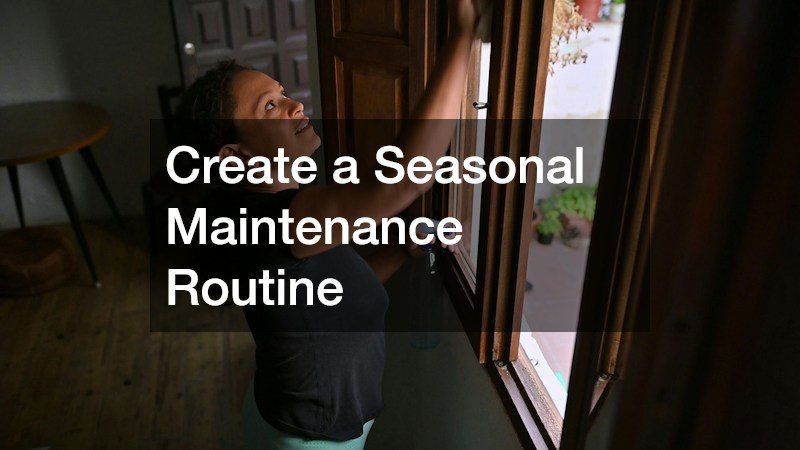
Once immediate repairs are complete, the best way to stay ahead of problems is to create a repeatable maintenance schedule. Seasonal inspections help first-time homeowners become familiar with how the property changes throughout the year and make it easier to spot concerns before they become emergencies.
In spring, check the roof, gutters, siding, stucco, windows, and doors for winter damage. Look for loose materials, cracks, blocked drainage, or areas where moisture has accumulated. Summer is a good time to complete exterior repairs, repaint or reseal surfaces, and evaluate window and door operation.
During fall, clear leaves from gutters, inspect weather seals, and make sure downspouts are directing water away from the home. Garage doors should be tested before colder weather, especially if the garage is used daily. Winter inspections can focus on drafts, interior signs of moisture, and exterior damage after severe storms.
Keep a simple record of each inspection and any work completed. Over time, these notes will show patterns and help predict future maintenance needs. They can also make conversations with contractors more productive because homeowners can explain when a problem began and how it has changed.
First-time property ownership becomes less overwhelming when maintenance is handled systematically. By addressing safety, weather protection, security, drainage, and major exterior systems first, homeowners can make informed decisions about where to spend time and money. A clear repair order supports the home’s condition while making room for future upgrades that improve comfort and appearance. Regular attention also gives new owners greater confidence as they learn their property