Buying your first home comes with plenty of exciting decisions, from decorating the interior to planning improvements that make the property more comfortable and attractive. The driveway may not be the first project that comes to mind, but it plays an important role in everyday convenience, curb appeal, and property maintenance. Whether your existing driveway has cracks, drainage problems, or an outdated appearance, understanding your paving options can help you make a more informed investment. With the right planning and professional guidance, your first driveway upgrade can improve your home’s appearance and provide reliable access for years to come.
Understand the Benefits of a Well-Maintained Driveway
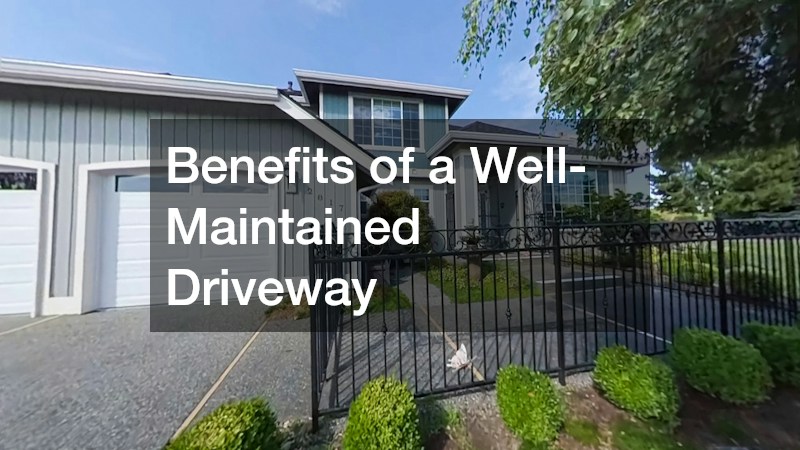
A driveway serves a practical purpose every day, giving you a designated place to park vehicles and a convenient route between the street and your home. However, its condition can influence much more than parking. A smooth, properly installed surface can improve accessibility, create a cleaner appearance, and help establish a welcoming first impression for visitors. For new homeowners, addressing driveway concerns early can also help prevent minor problems from becoming more extensive repairs.
An asphalt driveway is a popular choice for residential properties because it offers a relatively smooth surface, a classic dark appearance, and flexibility that can help it accommodate ordinary temperature changes. Its suitability depends on factors such as the property’s soil conditions, drainage, expected traffic, and climate. Asphalt may be particularly appealing to homeowners looking for a practical surface that complements a wide range of architectural styles.
Before deciding whether replacement is necessary, take time to evaluate the driveway’s overall condition. Look for cracking, uneven areas, standing water, crumbling edges, and sections that appear to be sinking. The age of the driveway and the frequency of previous repairs can also help determine whether maintenance or a more comprehensive project makes sense.
Explore Different Residential Paving Materials
One of the first decisions you’ll face is choosing a material that fits your budget, property, and maintenance preferences. Asphalt, concrete, pavers, and gravel each offer distinct advantages. Comparing their installation requirements, appearance, durability, and upkeep can help you determine which option makes the most sense for your household.
Asphalt offers a straightforward appearance that works well with many home styles. Its dark surface can create a strong visual contrast with lighter siding, landscaping, and exterior trim. It can also be relatively quick to install under suitable conditions, although the overall timeline depends on site preparation, weather, project size, and the time needed before the surface can handle regular traffic.
Concrete provides a lighter, more rigid surface that can complement contemporary and traditional homes alike. Depending on the finish and design, it can offer a clean, understated look or incorporate decorative details. Concrete may have a higher initial installation cost in some markets, and cracking can occur when installation, ground conditions, drainage, or environmental stresses create problems.
Hire Qualified Professionals for Your Driveway Project
Driveway installation involves more than placing a new surface over the existing ground. Proper grading, a stable base, appropriate material thickness, and effective water management all contribute to long-term performance. If these elements are overlooked, even an attractive new driveway may develop premature cracks, low spots, or drainage issues.
When comparing asphalt paving contractors, look for businesses with relevant residential experience, clear estimates, and a willingness to explain their installation process. Ask whether the quote includes removing the existing surface, preparing the base, addressing drainage, and handling the driveway edges. Confirm which tasks are included in the price so you can compare proposals on an equal basis.

Evaluate the Property Before Choosing a Contractor
Every driveway has its own conditions, and those details should influence the installation plan. The width of the entrance, the slope of the property, nearby trees, soil stability, and the location of underground utilities can all affect the work required. A site assessment helps identify potential complications before they become unexpected costs or construction delays.
A local asphalt contractor may be familiar with regional weather patterns, common soil conditions, and local requirements affecting residential paving. That knowledge can be useful when determining appropriate preparation methods and scheduling the project. However, location alone does not guarantee quality, so compare experience, written proposals, references, and insurance alongside local familiarity.
Drainage deserves particular attention. Rainwater should move away from the home and toward appropriate drainage areas rather than pooling near the garage, foundation, or neighboring property. If the driveway slopes toward the house, the project may require grading adjustments or other drainage measures. These issues should be discussed before the surface is installed, since correcting them later can be disruptive and expensive.
Understand Driveway Sealing and Surface Protection
After installation, the right maintenance routine can help preserve your driveway’s appearance and performance. Asphalt naturally changes over time as it is exposed to sunlight, moisture, temperature fluctuations, and vehicle traffic. Regular inspections can help you identify developing cracks, surface wear, or drainage concerns before they require more extensive attention.
An asphalt sealer is a protective coating designed for use on suitable asphalt surfaces. Depending on the product and application, it can improve surface appearance and help limit exposure to certain damaging elements. However, sealing does not repair a failing base, correct poor drainage, or eliminate structural cracking. The surface must be in an appropriate condition before a coating is applied.
New asphalt generally needs time to cure and stabilize before sealcoating is considered. The recommended waiting period varies according to the material, weather, installation conditions, and product guidance. Applying a coating too early may interfere with the surface’s development, so homeowners should follow the installer’s recommendations rather than choosing a date based only on convenience.
It’s also important to understand that sealers are not permanent. Sun exposure, traffic, moisture, and environmental conditions gradually affect their performance. Applying additional coats too frequently or using an unsuitable product may create its own problems. A qualified driveway paver sealing company can help determine whether the driveway needs sealing and what preparation is appropriate.
Recognize When Professional Sealcoating Makes Sense
Sealcoating is one maintenance option for eligible asphalt driveways, but the timing and suitability depend on the condition of the surface. A driveway with minor surface wear may benefit from a protective treatment, while one with extensive cracking, significant depressions, or structural movement may need repairs first. An assessment can help establish which work is appropriate.
A professional sealcoating service typically evaluates the driveway, prepares the surface, and applies a suitable coating under recommended conditions. Surface preparation matters because dirt, loose debris, vegetation, and certain contaminants can interfere with the application. Weather conditions also influence how effectively the product can be applied and cured.
Before scheduling the work, ask what preparation is included and whether cracks or other defects will be addressed separately. Find out how long the driveway must remain free of vehicles and when normal use can resume. These details are particularly important if your home has limited parking or if multiple vehicles depend on the same entrance.
Sealing can help refresh the appearance of asphalt, but homeowners should keep realistic expectations. It will not make an old, failing driveway new again, and it should not be viewed as a substitute for proper installation. The best maintenance decisions come from understanding the actual condition of the surface and selecting treatments that address its needs.
Compare Paving and Sealing Services Carefully
When researching driveway maintenance, you may encounter companies that focus on paving, sealing, or both. Their services can overlap, but the expertise and equipment required for each task differ. Understanding what a provider actually offers can help you choose a company suited to the condition of your driveway rather than selecting a service based on its name alone.
A driveway paver sealing company may specialize in maintaining interlocking pavers, including cleaning joints, addressing displaced units, and applying suitable treatments when appropriate. Those procedures differ from the maintenance needs of an asphalt surface. Make sure the company understands your driveway’s specific material and can explain which products and methods are suitable for it.
Ask potential providers to describe the expected outcome of the work and any limitations. For example, a coating may improve appearance or provide a protective layer, but it will not correct major settlement or inadequate drainage. If repairs are needed, clarify whether they are included in the proposal or require a separate estimate.
Know When Concrete May Be the Better Choice
Although asphalt is a common residential paving material, concrete may suit some homes better. Its lighter color can complement certain architectural styles, and it offers a range of finishes and design possibilities. Concrete can be especially appealing when homeowners want the driveway to coordinate with sidewalks, entry paths, patios, or other hardscape features.
A concrete driveway contractor can evaluate the property and explain the requirements for installing a concrete surface. Proper base preparation, reinforcement where specified, control joints, curing, and drainage all affect performance. Concrete’s rigid structure means it responds differently to ground movement and temperature changes than asphalt, so installation details should be matched to local conditions.
Concrete may also require different maintenance practices. Depending on the finish and exposure, the surface may benefit from suitable cleaning and protective treatments. Deicing products, heavy loads, moisture, and freeze-thaw cycles can affect concrete, making it important to follow recommendations appropriate to the material and climate.
Plan a Realistic Driveway Improvement Budget
For first-time homeowners, managing improvement costs is often just as important as choosing the right materials. A driveway project may involve removal, excavation, grading, base installation, paving, edging, drainage adjustments, and cleanup. Additional work may be needed if the existing surface has deteriorated or if the property has difficult access.
When gathering estimates, ask a local asphalt company to provide a clear breakdown of the proposed work. The quote should identify the surface area, material specifications, preparation steps, and any separate charges for repairs or disposal. Confirm whether taxes, permits, and other potential costs are included so the final price is less likely to surprise you.
It is wise to set aside a contingency amount for unexpected conditions. Once the old driveway is removed or the ground is assessed more closely, the contractor may discover weak base material, drainage problems, or other issues that were not visible initially. Discuss how additional work will be approved and priced before construction begins.
Timing can also affect the budget. Weather, material availability, contractor schedules, and the complexity of the project can influence the installation window. Planning ahead may give you more flexibility when comparing providers and arranging alternative parking. Avoid choosing a contractor based solely on the earliest available date or the lowest advertised price.
Finally, balance the driveway project against other homeownership priorities. If the surface is safe and functional, you may have time to compare options and plan the work. If major defects create access or drainage problems, addressing them sooner may prevent further damage. A realistic budget helps you make the decision that best fits your property’s condition and your household’s financial needs.

Protect Your Investment With Consistent Maintenance
Once your new surface is installed, regular attention can help you get the most from your investment. Keep the driveway reasonably clear of leaves, dirt, and other debris, and check for cracks, depressions, loose edges, or areas where water collects. Seasonal inspections are particularly useful in climates with substantial temperature changes or freeze-thaw cycles.
Professional asphalt paving creates the foundation for a usable driveway, but its long-term performance also depends on drainage, the quality of the underlying base, traffic, and ongoing care. Avoid assuming that a new surface will remain problem-free indefinitely. If you notice changes, seek advice early so the cause can be identified before the damage spreads.
Follow the installer’s guidance about when to park on the new surface, how to respond to hot weather, and when maintenance treatments may be appropriate. Asphalt can remain vulnerable to scuffing or indentation under certain conditions, particularly during warmer weather. Heavy equipment and unusual loads should be handled according to the contractor’s recommendations.
With a realistic budget and a maintenance plan suited to your chosen material, you can approach your first driveway improvement with greater confidence. The goal is to create a durable, attractive entrance that fits your property and supports your needs as a homeowner for years to come.