Owning a home is a significant commitment, and part of that commitment involves regular maintenance to ensure that the property remains in good condition. This article aims to serve as a thorough and enlightening guide for homeowners, outlining the important steps required to maintain their homes seamlessly as the seasons change. By breaking down the year into understandable parts, each section addresses the critical areas in your home that necessitate attention during different times of the year. These insights include an array of indispensable tasks that, when performed diligently, guarantee that your home remains not just a safe place but also an efficient and comfortable sanctuary throughout the entire year.
Understanding the specific needs of your home in relation to the changing weather patterns is crucial. From sealing window drafts to preparing your heating or cooling systems, each maintenance tip is crafted to aid in the preparation and preservation of your home’s infrastructure. As the seasons transition, homeowners are encouraged to inspect various elements such as roofing, plumbing, and insulation, adapting their maintenance routines accordingly.
The all-encompassing advice given here aims to empower homeowners by equipping them with knowledge, thereby making what can often appear daunting, much more manageable. By taking proactive steps to enhance and protect your home now, you can prevent minor issues from blossoming into more significant, costly repairs later on. Ultimately, this guide is not just about preserving the physical structure of your home, but also about maintaining peace of mind by ensuring your dwelling is prepared to withstand seasonal shifts efficiently and effectively.
1. How often should you hire a local roofer for inspections?
Importance of regular roof inspections
Roofs are the first line of defense against environmental elements, making regular inspections essential. Hiring a local roofer to perform inspections annually can prevent costly repairs by catching small issues early. Prioritizing roofing assessments helps ensure a home’s structural integrity and the safety of its inhabitants.
Signs that you need immediate roofing services
Unusual water stains on ceilings or walls are common indicators of a leaky roof. Promptly calling in local roofers when these signs are noticed can prevent extensive water damage. Responding to alarm signals such as missing or damaged shingles is vital to maintaining a secure home environment.
Choosing the right local roofer
Selecting a reliable local roofer involves researching their experience, reputation, and customer feedback. Check online reviews and ask for recommendations to ensure the roofer’s reliability. Pricing and warranty details are also crucial factors to consider in your selection process.
2. What are Common Water Well Pump Repairs?

Symptoms of a Failing Water Well Pump
Water well pumps are crucial components of any water well system, ensuring the steady and reliable delivery of water from underground sources to households. When these pumps begin to fail, several symptoms can emerge, signaling the necessity for repairs. One common sign is fluctuating water pressure. You might notice that your water pressure is inconsistent, with periods of high pressure followed by low pressure. This fluctuation can make simple tasks like showering or washing dishes frustrating. Additionally, strange noises emanating from the pump, such as grinding, squealing, or rattling, suggest mechanical issues that may require attention. Addressing such problems promptly through professional water well pump repairs is essential, as it can preserve the functionality of the well and sustain a reliable water supply.
Timely intervention through troubleshooting and repairs not only ensures continuous water flow but also prevents small issues from escalating into significant, costly repairs. By conducting an early diagnosis and addressing any emerging problems, homeowners can avoid potential damage to the pump that could lead to larger, more inconvenient disruptions in their water service.
Steps to Troubleshoot Water Well Issues
When facing issues with your water well pump, the first line of defense involves some basic troubleshooting. Initially, homeowners should verify the power supply to the pump. This includes checking the circuit breaker or fuse box to ensure all switches are correctly set and identifying any tripped breakers or blown fuses that may have cut power to the pump. If the power supply appears intact, inspecting the equipment for visible signs of damage or leaks around the pump and its components becomes the next logical step.
Despite these preliminary measures, many issues with water well pumps can be complex and require more than a simple assessment. Employing trained experts in water well pump repairs is strongly advised to achieve a thorough and comprehensive diagnosis and fix. Professional technicians possess the necessary experience and tools to identify and rectify underlying problems that may not be immediately apparent, thus ensuring the long-term functionality of the water pump system.
Finding Professional Repair Services
When it becomes clear that professional assistance is necessary, the next step involves locating certified professionals who specialize in water well pump repairs. These specialists have the expertise to handle a wide array of issues related to water well systems. When choosing a service provider, it is important to verify their certifications and experience to ensure quality service. Online reviews, references from past clients, and confirmations of licensing can provide confidence in selecting a reputable company. By choosing a certified professional, homeowners can rest assured that their water well pump is in capable hands, mitigating risks and extending the life of the system.
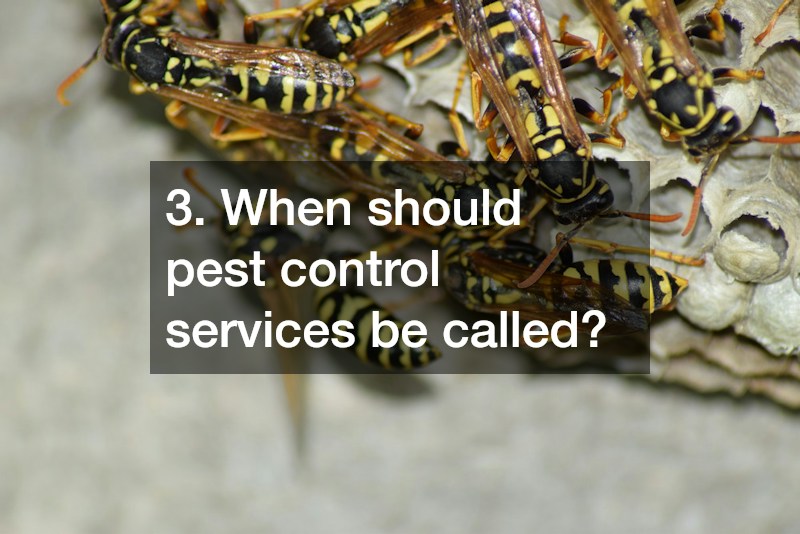
3. When should pest control services be called?
Identifying a pest problem early
Noticing droppings, nests, or structural damage can indicate a growing pest problem. Early engagement with pest control services can curb pest numbers before they become significantly problematic. Proactive measures reduce health risks associated with pest infestations in the home environment.
Effective pest management strategies
Successful pest control services employ preventive approaches by targeting breeding grounds. Using eco-friendly and non-toxic measures can prevent adverse effects on the home’s occupants. Regular updates and treatments ensure long-term protection from recurring infestations.
Seasonal pest control tips
Adjusting pest control strategies with the changing seasons fortifies the home against seasonal species. Winter requires methods to keep rodents at bay, while summer often necessitates targeting ants and mosquitoes. Employing pest control services seasonally can provide customized solutions fitting emerging pest threats.
4. How often should a water filtration system be serviced?
Types of water filtration systems
Understanding the type of water filtration system installed is pivotal for proper maintenance. Systems include activated carbon, reverse osmosis, and ultraviolet purifiers. Different systems require varied frequencies and kinds of servicing to function optimally.
Maintenance schedule for optimal performance
Each water filtration system thrives on a specific maintenance schedule, typically ranging from quarterly to annually. Regular filtering unit replacement ensures that the system effectively removes contaminants. Consistent servicing by professionals ensures uninterrupted and safe water supplies in homes.
Signs of malfunction or need for replacement
A sudden drop in water pressure or unpleasant tastes often signals filtration inefficiency. Professional inspection confirms whether the water filtration system requires repair or complete replacement. Preventative care extends system life while providing confidence in water quality.
5. What are the signs you need foundation repair companies?

Causes of foundation issues
Foundation problems often stem from soil moisture changes, poor drainage, and failed construction materials. Left unchecked, these issues can lead to structural weakening. Recognizing early indicators and consulting foundation repair companies is crucial for home safety.
Common warning signs of foundation problems
Cracks in walls, doors that stick, and sloping floors alert homeowners of potential foundations issues. Prompt attention to these signs can forestall costly foundational repairs. Foundation repair companies provide comprehensive assessments to address these structural warnings.
How foundation repair companies can help
Engaging reputable foundation repair companies ensures repairs are performed by experienced specialists. They use modern equipment and techniques for durable and efficient remediation. Their involvement not only restores integrity but also boosts the value of homes.
6. How do tree removal services protect your home?
Identifying hazardous trees
Trees with large dead branches or visible decay pose risks of falling and causing property damage. Recognizing these hazards early and contacting tree removal services help prevent costly incidents. Regular inspections contribute to safeguarding human life and infrastructure.
The tree removal process
Professional tree removal services involve assessing the tree’s condition and planning the removal strategy. These experts ensure the safe dismantling and removal of the tree without affecting surrounding properties. The process typically concludes with disposal, maintaining site neatness post-operation.
The benefits of professional tree services
Professional services ensure efficient removal and disposal, reducing liability and improving property appearance. They also offer pruning and trimming for the overall health and growth of remaining vegetation. Home value and curb appeal benefit greatly from safe and aesthetic landscape maintenance.
7. Is heat pump installation beneficial for all climates?
Understanding heat pump systems
Heat pumps transfer heat energy to cool or warm homes efficiently, giving them versatility across climate zones. They serve as energy-efficient alternatives to traditional heating and cooling methods. Correct heat pump installation results in enhanced temperature control and reduced energy costs.
Climate considerations for installation
Heat pumps are ideal for moderate climates but should be supplemeted with other systems in extreme conditions. Homeowners should assess climate requirements before opting for a heat pump installation. Constraints include potential efficiency decline during frigid temperatures, requiring backup systems for severe weather.
Evaluating energy efficiency benefits
Energy savings emerge significantly in regions where climatic conditions are ideally suited to heat pump operations. Regular maintenance ensures that systems remain in peak condition for maximum energy efficiency. Homeowners save on utility bills and reduce carbon footprints with timely heat pump installation.
8. When is masonry repair necessary?

Types of masonry damage
Masonry damage includes cracked bricks, eroded mortar joints, and shrinking mortar due to age or elemental exposure. Such damage can impact the insulation and waterproofing properties of masonry walls. Timely masonry repair upholds structural soundness and aesthetic appeal.
DIY vs professional masonry repair
For minor surface damages, knowledgeable homeowners may address repairs using DIY methods. However, for extensive issues, relying on professional masonry repair services avoids complications. Professionals bring expertise backed by tools and materials crucial for enduring repairs.
Maintaining and extending masonry life
Routine inspections to detect early signs of deterioration safeguard masonry longevity. Addressing minor damages promptly and applying water repellent treatments reduce future repair costs. A well-maintained structure maintains robust insulation and resistance against environmental factors.
9. How to choose a reliable exterminator?
Key qualifications to look for
An effective exterminator must be certified and licensed by relevant authorities to perform pest management services. Their expertise should extend to encompassing local pest species and regulatory compliance. This ensures safe and effective pest eradication and protection strategies.
The importance of pest-specific solutions
Effective pest control involves recognizing specific pest behaviors and choosing targeted management strategies. Custom-tailored approaches maximize extermination success by targeting lifecycle aspects. Reliable exterminators deploy pest-specific treatments for sustainable control and prevention.
Reviews and recommendations
Gauging consumer feedback and client reviews aids in identifying reputable exterminators in the locality. Positive recommendations from trusted sources deliver confidence in the service provider. Engaging a certified and recommended exterminator ensures quality and dependable services.
10. Why is regular septic tank pumping essential?
Understanding septic system function
Septic systems treat and dispose of household wastewater through natural and mechanical processes. Regular septic tank pumping is vital to prevent system overload and failures. This maintenance practice ensures effective waste breakdown and groundwater protection.
Scheduling regular septic maintenance
Septic tank pumping is generally recommended every three to five years, depending on usage. Regular inspections help determine the optimal frequency for individual systems. Scheduled septic maintenance avoids nationwide sanitation crises while reducing repair costs.
Preventing septic system failures
Proactive septic tank pumping deters common issues like blockages and backups which lead to costly repairs. Homeowners must remain vigilant regarding septic health to avoid extensive environmental interventions. Routine care fosters operational efficacy and system longevity.
Regular home maintenance is a fundamental aspect of homeownership, akin to nurturing a cherished investment. A home is often the most significant financial commitment many people make in their lifetime, and maintaining it is vital for sustaining and potentially increasing its market value. Through diligent upkeep, homeowners not only safeguard their property’s value but also enhance its appeal and functionality.
In addition to financial benefits, regular home maintenance plays a crucial role in creating a safe and healthy living environment. The home serves as a sanctuary for families, a place where memories are made and cherished. By proactively addressing maintenance tasks, homeowners can prevent minor issues from escalating into major problems that could disrupt daily life and pose safety hazards. For example, routine inspections of electrical systems can avert potential fire risks, and maintaining plumbing can prevent water damage that may lead to costly repairs.
This guide provides a comprehensive checklist that empowers homeowners to manage these crucial tasks with ease and efficiency. By systematic scheduling and completing each task, from checking smoke detectors to cleaning gutters, individuals can prevent future complications and ensure their home remains in optimal condition. Maintaining a home may seem daunting at first, but with methodical approach and regular attention, it becomes a manageable routine that yields significant benefits.
Ultimately, following the guidelines outlined in this guide not only brings peace of mind but also fosters a sense of pride and accomplishment. Homeowners can relish in the knowledge that their efforts contribute to a well-maintained, safe, and welcoming environment for themselves and their loved ones. Embracing regular home maintenance is indeed a commitment to enhancing both the present and future value and comfort of their living space.