
Building a home for the first time is an exciting milestone filled with possibilities and important decisions. For many, it represents financial independence, long-term stability, and the opportunity to create a space that reflects personal needs and goals. However, turning an empty plot of land into a functional, beautiful home requires careful planning, realistic expectations, and a clear understanding of the process.
First-time property owners often encounter unfamiliar terminology, regulatory requirements, and logistical challenges. Without proper preparation, costs can escalate, timelines may stretch, and unnecessary stress can arise. Gaining insight into each phase—from site selection to final inspections—helps you stay informed and confident throughout the journey.
This comprehensive guide explores the essential considerations every new property owner should understand before building. With practical advice and actionable insights, you’ll be better prepared to make informed decisions, protect your investment, and create a home designed for lasting comfort and value.
Understanding Your Vision and Budget

Before breaking ground, defining your goals and financial parameters is essential. A well-developed vision provides direction, while a realistic budget ensures the project remains manageable from start to finish. Establishing clarity early prevents costly revisions and helps align expectations with available resources.
Start by outlining your priorities. Consider your desired home size, layout, architectural style, and long-term needs. Whether you envision a cozy retreat or a spacious family residence, knowing what you want lays the groundwork for every decision that follows.
Many first-time owners explore local modular homes as a cost-effective and efficient building option. These structures offer customizable designs, shorter construction timelines, and predictable expenses, making them an appealing choice for those seeking convenience and value.
To build a practical budget, consider the following:
- Land acquisition costs
- Design and architectural fees
- Permits and inspections
- Materials and labor
- Utility connections
- Landscaping and exterior improvements
- Furnishings and interior finishes
- Contingency funds for unexpected expenses
A helpful guideline is to reserve at least 10–20% of your total budget for unforeseen costs. Price fluctuations, weather delays, and design adjustments can arise during construction, and financial flexibility helps prevent setbacks.
By defining your vision and understanding your financial boundaries, you establish a solid foundation for a smooth and successful building experience.
Choosing the Right Location
The location of your property influences your lifestyle, property value, and long-term satisfaction. Evaluating the surrounding environment ensures your investment aligns with your needs and future plans.
Begin by researching zoning regulations, neighborhood development plans, and proximity to essential amenities such as schools, healthcare facilities, and shopping centers. Consider accessibility to major roads and public transportation, as well as safety and community growth trends.
Before construction begins, consulting a local land surveyor is crucial. Accurate property boundaries prevent disputes with neighboring landowners and ensure compliance with local regulations. Clear boundary identification also assists in planning driveways, utility lines, and building placement.
Key factors to evaluate when selecting a location include:
- Soil stability and drainage conditions
- Access to water, electricity, and sewer systems
- Flood zone classifications
- Neighborhood development potential
- Property tax rates
- Environmental considerations
In addition, a building permit surveyor plays an essential role in verifying that your project meets municipal requirements. This professional ensures that structures are positioned correctly according to zoning laws, setbacks, and safety standards.
Choosing the right location sets the stage for a successful build and contributes significantly to the long-term value of your home.
Preparing the Land for Construction
Land preparation is a critical step that determines the stability and longevity of your home. Proper site preparation minimizes risks and creates a safe environment for construction.
Clearing the land often involves removing vegetation, debris, and existing obstacles. Professional excavation services handle grading, trenching, and foundation preparation, ensuring the site meets engineering specifications. Their expertise helps prevent drainage issues and structural complications.
In many cases, trees and stumps must be removed to create a level surface. Stump grinding and removal services eliminate underground roots that could interfere with foundations, driveways, and landscaping. This process promotes soil stability and reduces the likelihood of future maintenance problems.
Essential steps in land preparation include:
- Clearing brush, rocks, and debris
- Leveling uneven terrain
- Conducting soil tests
- Establishing proper drainage systems
- Preparing access routes for construction equipment
- Installing temporary utilities
- Identifying underground hazards
Proper land preparation not only supports the structural integrity of your home but also prevents costly delays. Investing in professional services during this stage ensures a smooth transition into the building phase.
Navigating Permits and Legal Requirements
Understanding regulatory requirements is a vital aspect of building your first property. Local governments enforce codes and standards designed to ensure safety, environmental protection, and community harmony.
Before construction begins, property owners must secure the necessary permits. These approvals confirm that your plans comply with zoning laws, building codes, and environmental guidelines. Failure to obtain proper documentation can result in fines, project delays, or even mandatory alterations.
Common permits required for residential construction include:
- Building permits
- Electrical permits
- Plumbing permits
- Mechanical permits
- Grading permits
- Environmental clearances
- Occupancy certificates
To streamline the approval process, consider these practical steps:
- Research local regulations early
- Submit accurate architectural plans
- Maintain organized documentation
- Schedule inspections promptly
- Communicate regularly with local authorities
- Hire experienced professionals familiar with municipal requirements
Working closely with qualified experts ensures compliance at every stage. Their guidance helps you navigate complex regulations and reduces the risk of unexpected complications.
A clear understanding of legal requirements protects your investment and keeps your project on schedule.
Designing a Functional and Future-Proof Home
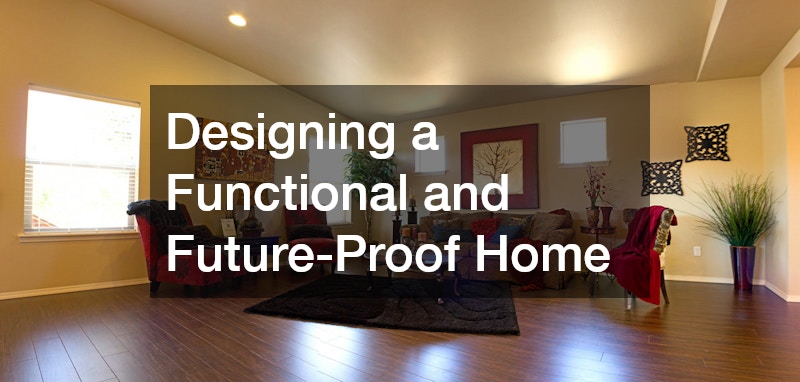
Thoughtful design plays a significant role in ensuring comfort, efficiency, and long-term value. First-time property owners benefit from planning spaces that adapt to evolving needs and lifestyles.
Start by focusing on functionality. Consider how each room will be used and how spaces will flow together. Open-concept layouts, flexible living areas, and ample storage contribute to a practical and enjoyable home environment.
Important design considerations include:
- Energy efficiency and insulation
- Natural lighting and ventilation
- Storage solutions and organization
- Smart home technology integration
- Accessibility and mobility features
- Multi-purpose spaces for future adaptability
- Sustainable materials and eco-friendly designs
Selecting durable materials enhances longevity and reduces maintenance costs. Features such as energy-efficient windows, high-performance insulation, and modern appliances can significantly lower utility expenses over time.
Collaborating with architects and designers ensures that your vision aligns with structural requirements and local regulations. Their expertise transforms ideas into a cohesive and functional blueprint.
A well-designed home supports your lifestyle today while accommodating future changes with ease.
Selecting Reliable Construction Professionals
Choosing the right professionals is one of the most important decisions in the building process. Skilled contractors and specialists contribute to quality craftsmanship, efficient timelines, and overall project success.
Start by researching reputable builders with proven experience. Request references, review portfolios, and verify licenses and insurance. Transparent communication and clearly defined contracts help establish trust and accountability.
Among the specialists you may need are roofing contractors, who ensure that your home is protected from the elements. A well-installed roof enhances durability, energy efficiency, and curb appeal.
You may also require exterior door services to enhance both security and aesthetic appeal. Properly installed doors improve insulation, reduce energy loss, and provide a welcoming entryway.
When evaluating construction professionals, consider the following:
- Industry certifications and licensing
- Insurance coverage and warranties
- Client reviews and testimonials
- Detailed project estimates
- Clear timelines and deliverables
- Communication and responsiveness
- Quality of materials used
Partnering with experienced professionals ensures that your home is built to high standards. Their expertise helps prevent costly errors and ensures a seamless construction process.
Enhancing Outdoor Spaces for Long-Term Value
A thoughtfully designed outdoor environment adds beauty, functionality, and value to your property. Landscaping enhances curb appeal while creating inviting spaces for relaxation and entertainment.
Collaborating with local landscaping contractors allows you to design an outdoor area that complements your home and suits your lifestyle. From lush gardens to functional patios, these professionals bring expertise and creativity to your project.
Similarly, local landscape contractors help implement features such as walkways, irrigation systems, and outdoor lighting. Their contributions ensure that your property remains attractive and easy to maintain.
Popular landscaping features include:
- Native plants and drought-resistant greenery
- Outdoor living areas and fire pits
- Decorative stone pathways
- Water-efficient irrigation systems
- Retaining walls for erosion control
- Privacy hedges and fencing
- Outdoor lighting for safety and ambiance
Investing in professional landscaping not only enhances visual appeal but also increases property value. Well-designed outdoor spaces create a welcoming environment that homeowners can enjoy for years to come.
Adding Functional Structures to Maximize Utility
Supplementary structures can significantly improve the usability and organization of your property. Planning these additions early ensures cohesive design and efficient use of space.
Working with custom shed builders allows you to create storage solutions tailored to your needs. Whether used for tools, gardening equipment, or hobby spaces, a custom shed provides convenience and versatility.
Additional functional structures to consider include:
- Detached garages
- Workshops and studios
- Greenhouses for gardening enthusiasts
- Home offices
- Outdoor kitchens
- Pool houses and cabanas
- Recreational or fitness rooms
When planning auxiliary buildings, keep these factors in mind:
- Local zoning regulations
- Property boundaries and setbacks
- Architectural consistency with the main home
- Utility connections
- Long-term maintenance requirements
Strategically designed structures enhance both functionality and property value. They offer flexibility as your needs evolve, ensuring your investment remains practical and relevant over time.
Managing the Construction Timeline Effectively
A well-organized timeline keeps your project on track and minimizes stress. Understanding each phase of construction enables you to anticipate milestones and address challenges proactively.
Typical stages of residential construction include:
- Site preparation and foundation work
- Framing and structural development
- Roofing and exterior installations
- Electrical, plumbing, and HVAC systems
- Insulation and drywall installation
- Interior finishes and fixtures
- Landscaping and final inspections
To maintain an efficient schedule:
- Establish realistic deadlines
- Maintain open communication with contractors
- Monitor progress through regular site visits
- Document changes and approvals
- Plan for weather-related delays
- Secure materials in advance
- Keep contingency plans in place
Staying involved throughout the process ensures that the project aligns with your expectations. Consistent oversight helps identify potential issues early, preventing costly delays and ensuring a successful outcome.
Conducting Inspections and Protecting Your Investment
Before moving into your new home, thorough inspections confirm that every component meets safety and quality standards. This final step safeguards your investment and provides peace of mind.
Professional inspections evaluate structural integrity, electrical systems, plumbing, roofing, and overall workmanship. Addressing deficiencies before occupancy prevents costly repairs and ensures compliance with building codes.
Key inspections to schedule include:
- Foundation and structural inspections
- Electrical and plumbing evaluations
- HVAC system assessments
- Insulation and energy efficiency checks
- Roofing inspections
- Final occupancy approval
Additional protective measures include:
- Obtaining builder warranties
- Reviewing homeowner’s insurance policies
- Documenting all project details
- Retaining maintenance manuals and records
- Scheduling routine maintenance checks
A comprehensive inspection process ensures that your home is safe, functional, and ready for occupancy. By addressing concerns early, you protect both your investment and your long-term comfort.
Embracing the Journey of Home Building for Lasting Fulfillment

Building a home for the first time is both a rewarding and complex endeavor. With careful planning, informed decision-making, and the support of experienced professionals, the process becomes manageable and fulfilling. From selecting the right property to overseeing construction and final inspections, each step contributes to creating a residence that reflects your vision and supports your lifestyle.
By approaching the journey with preparation and confidence, first-time property owners can avoid common pitfalls and make sound investments. A well-built home offers lasting comfort, financial stability, and a foundation for future memories—making the effort and dedication truly worthwhile.
One of the key elements in the home-building process is effective communication with all parties involved, including architects, contractors, and suppliers. Clearly expressing your ideas and preferences can prevent misunderstandings and ensure that your vision is accurately translated into the physical structure.
Regular updates and discussions can also help address any concerns promptly, allowing adjustments to be made as needed. By fostering a collaborative environment, you not only enhance the overall experience but also build a strong foundation of trust with your team, ultimately leading to a home that meets your expectations and stands the test of time.