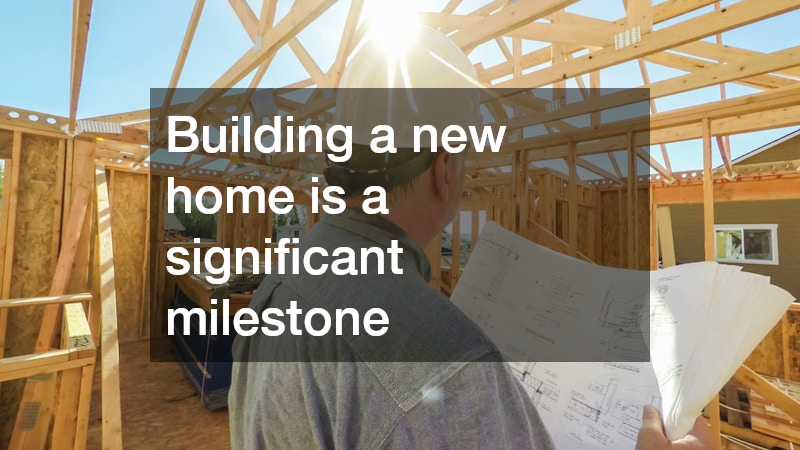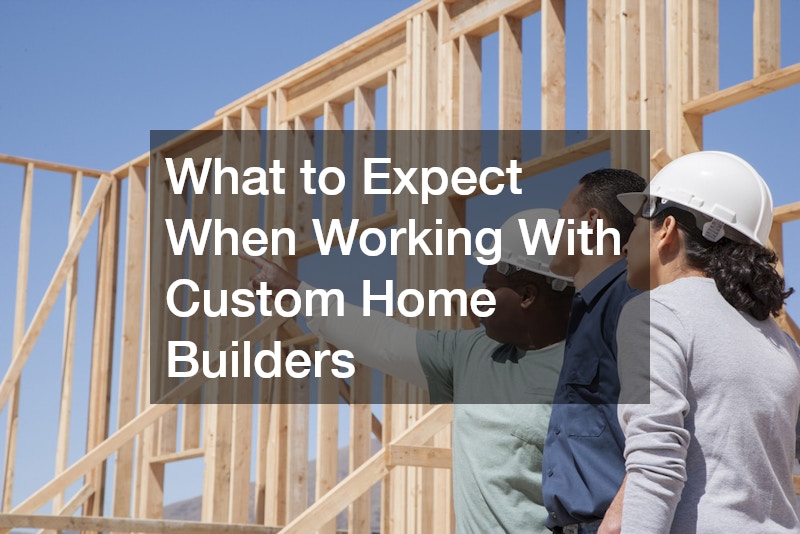
Building a home from the ground up is an exciting opportunity to create a living space that reflects personal style, daily habits, and long-term goals. Unlike purchasing a pre-existing house, building a custom home allows homeowners to make decisions about layout, finishes, functionality, and overall design from the very beginning. While the process can feel overwhelming at first, understanding what to expect helps reduce stress and encourages more confident decision-making throughout each phase of construction.
Many homeowners begin the process with a vision for how they want their future home to look and function. Some prioritize open living spaces and modern kitchens, while others focus on energy efficiency, outdoor living areas, or additional room for growing families.
Working with experienced custom home builders gives homeowners the opportunity to turn those ideas into practical and personalized designs that suit both lifestyle needs and property limitations.
Understanding the Initial Planning Process
The planning phase is one of the most important parts of building a new home. During this stage, homeowners typically discuss their goals, budget, preferred style, and desired features with the construction team. This information helps shape the direction of the project and establishes realistic expectations for the timeline and overall scope of work.
Location also plays a major role in the planning process. Factors such as lot size, terrain, neighborhood requirements, and local building regulations all influence design possibilities. Site evaluations may reveal grading concerns, drainage needs, or utility access considerations that affect construction plans.
Budget discussions are equally important during the early stages. Homeowners should account for not only construction costs but also permits, landscaping, utility connections, furnishings, and potential upgrades. Establishing a clear financial plan early helps minimize unexpected expenses later in the project.
This phase often includes reviewing floor plans, discussing architectural styles, and identifying must-have features. Clear communication during planning allows everyone involved to better understand the homeowner’s vision before construction begins.
Collaborating on Design Choices
Designing a home involves balancing aesthetics with practicality. Homeowners often work closely with architects, designers, and construction professionals to select layouts, finishes, fixtures, and materials that align with their preferences and budget.
Floor plans are typically customized to match daily routines and household needs. Open-concept living areas, dedicated office spaces, large kitchens, and flexible storage solutions are common priorities for modern homeowners. Functional design choices can improve comfort while supporting long-term usability.
Exterior selections are another major part of the design process. Roofing materials, siding styles, windows, doors, and landscaping elements all contribute to curb appeal and overall property value. Interior decisions such as cabinetry, flooring, lighting, and paint colors allow homeowners to personalize every room within the home.
Many people appreciate the flexibility that comes from working with custom home builders because it allows greater control over the final result. Instead of settling for existing layouts or finishes, homeowners can tailor their living spaces to better support their lifestyles and future plans.
Preparing for Construction Timelines
Building a home requires patience, as construction timelines can vary depending on project complexity, weather conditions, material availability, and permitting requirements. Understanding the general sequence of construction helps homeowners feel more comfortable during the process.
The first stage typically involves site preparation and foundation work. Once the land is cleared and graded, crews begin laying the foundation that supports the structure. Framing follows shortly afterward, giving homeowners the first visible look at the shape and layout of the home.
After framing is complete, crews install roofing, windows, plumbing, electrical systems, and heating or cooling equipment. Interior work then progresses with insulation, drywall, flooring, cabinetry, and finishing details. Exterior improvements such as driveways, patios, and landscaping are often completed during the final stages of construction.
Knowing What Happens Before Move-In
As construction nears completion, the focus shifts toward inspections, final walkthroughs, and finishing touches. Before move-in day arrives, the home must meet local building codes and pass required inspections to confirm that systems and structural elements meet safety standards.
Final walkthroughs give homeowners the opportunity to review completed work and identify any remaining adjustments that need attention. Minor touch-ups, hardware installations, or cosmetic corrections are often completed during this phase before the project officially concludes.
Learning about maintenance responsibilities is also important before moving into a newly built home. Homeowners may receive guidance regarding HVAC maintenance, appliance care, roofing inspections, and seasonal upkeep tasks that help protect the property over time.
Many homeowners find that working with custom home builders creates a more personalized and rewarding experience because the final result reflects their specific goals and preferences. While the process requires patience and careful planning, the opportunity to create a one-of-a-kind living space often makes the experience worthwhile.
Building a new home is a significant milestone that involves careful planning, collaboration, and long-term decision-making. From the earliest design discussions to the final walkthrough, each phase of the process contributes to creating a space that supports comfort, functionality, and personal style. Understanding what to expect during construction can help homeowners feel more confident and prepared as the project progresses.
Although building a home requires time and commitment, the long-term rewards are often substantial. A well-designed home can provide comfort, efficiency, and enjoyment for many years while supporting changing family needs and lifestyle goals. By understanding the process and staying engaged throughout construction, homeowners can approach their project with greater clarity and confidence.