
Buying a home is exciting, but the inspection process often brings buyers back to reality quickly. A house can look beautiful during a showing and still hide expensive problems behind walls, under floors, or inside mechanical systems. For many buyers, especially first-time homeowners, an inspection report can feel overwhelming because it includes technical language, maintenance concerns, and repair recommendations all at once.
The good news is that most inspection findings are manageable when buyers understand what they mean and how to respond. A home inspection is not designed to scare buyers away from a property. Instead, it helps reveal safety concerns, aging systems, and potential future expenses before closing day. Knowing how to interpret those findings can save thousands of dollars and prevent major surprises after moving in.
Some problems are relatively minor, while others deserve immediate attention or professional evaluation. Learning the difference allows buyers to negotiate more effectively, budget realistically, and move forward with confidence.
Recognizing Early Signs of Appliance Wear

Older homes often come with existing kitchen and laundry equipment, and buyers sometimes overlook these items because they seem functional during a quick walkthrough. However, inspectors frequently identify aging or poorly maintained appliances that could become expensive shortly after move-in.
In some homes, sellers leave behind used appliances that appear clean and operational but may already be approaching the end of their lifespan. Refrigerators, dishwashers, washing machines, and ovens all experience wear over time, especially if maintenance has been inconsistent. A dishwasher that runs loudly or a dryer that overheats may indicate internal problems that are not immediately visible.
One common mistake buyers make is assuming that all appliances are included “as is” without evaluating replacement costs. Imagine moving into a home and discovering, within the first month, that both the refrigerator and washing machine fail. Suddenly, a carefully planned budget becomes strained.
During an inspection, buyers should pay attention to:
- Rust or corrosion around water connections
- Excessive vibration or unusual operating noises
- Leaks beneath appliances
- Burn marks near outlets or cords
- Poor ventilation behind machines
Even when appliances appear operational, age matters. Most inspectors will note manufacturing dates when possible. If multiple appliances are already 12 to 15 years old, buyers should prepare financially for replacements in the near future.
Some inspection reports also reveal evidence of previous appliance repairs. While repairs themselves are not necessarily concerning, repeated patchwork fixes can signal deeper maintenance neglect throughout the home. A seller who postponed replacing failing appliances may have delayed other important upkeep as well.
Rather than panicking over aging equipment, buyers should use inspection findings strategically. Requesting service records, asking about warranty coverage, or negotiating a credit can help reduce immediate financial pressure after closing.
Understanding Mechanical Systems Before They Fail
Heating and electrical systems are among the most important parts of any home because they directly affect safety and livability. Unfortunately, these are also systems many buyers know little about before an inspection.
An inspector may uncover outdated wiring, overloaded circuits, or improper modifications made by previous owners. These issues are not always visible during a showing. A finished basement may hide questionable electrical work behind freshly painted drywall.
Homes with older electrical systems sometimes show warning signs like flickering lights, warm outlets, or inconsistent power distribution. In more serious cases, inspectors identify fire hazards related to improper grounding or overloaded breaker panels.
Mechanical systems deserve equal attention. Buyers often focus heavily on cosmetic details while overlooking the condition of the heating system. Yet a neglected furnace can create serious problems during colder months.
A report recommending furnace repair may sound manageable at first, but context matters. If the furnace is already near the end of its expected lifespan, repeated repairs can become a financial drain. Buyers should ask follow-up questions such as:
- How old is the system?
- Has regular servicing been documented?
- Are replacement parts still readily available?
- Is the system operating efficiently?
Similarly, recurring appliance repairs throughout the home may suggest a pattern of deferred maintenance rather than isolated problems. An inspector’s report often tells a larger story about how carefully the property has been maintained over time.
Buyers should avoid the temptation to dismiss every issue as “normal wear and tear.” While no house is perfect, clusters of neglected mechanical problems can indicate higher long-term ownership costs.
Evaluating Plumbing Issues Before They Escalate

Plumbing concerns are some of the most stressful discoveries during a home inspection because water damage can spread quietly for years before becoming obvious. A small leak behind a wall may eventually create mold, weaken framing, or damage flooring.
Water heaters are a particularly common source of concern. Many homeowners ignore routine maintenance, which shortens the unit’s lifespan significantly. During inspections, professionals often note corrosion, sediment buildup, inconsistent water temperature, or visible leakage around the tank.
When a report mentions possible water heater repair, buyers should not automatically assume the fix will be minor. In some cases, the issue is simple, such as replacing a pressure valve. In others, the entire system may be approaching failure.
A useful question buyers can ask themselves is whether the home’s plumbing problems appear isolated or systemic. A single leaking faucet is one thing. Multiple signs of water intrusion throughout the home are something else entirely.
Inspectors frequently discover hidden plumbing concerns in areas such as:
- Under bathroom sinks
- Around the basement ceilings
- Near laundry hookups
- Beneath kitchen cabinets
- Around exterior hose connections
Sometimes the clues are subtle. A slightly warped baseboard or a faint musty smell can reveal ongoing moisture exposure.
Buyers should also understand that plumbing issues often extend beyond pipes themselves. Long-term leaks may damage subfloors, drywall, insulation, or even the home’s structural framing. That is why additional evaluations from licensed plumbers are sometimes recommended before closing.
For older homes, especially, requesting sewer line inspections can be worthwhile. Tree root intrusion, pipe deterioration, and drainage problems are expensive surprises that many buyers never anticipate.
Reviewing Heating and Cooling Performance Carefully
Heating and cooling systems influence comfort, utility costs, and indoor air quality more than many buyers realize. Unfortunately, HVAC problems are among the most expensive post-purchase surprises homeowners encounter.
During an inspection, the system may technically function while still showing signs of decline. An air conditioner that cools weakly or cycles inconsistently may continue operating for a while but still requires replacement soon.
When buyers hear recommendations involving an HVAC repair company, they should look beyond the immediate issue and consider the broader condition of the system. A technician’s evaluation can help determine whether repairs are worthwhile or if replacement makes more financial sense.
One practical step buyers can take is to compare the system’s age to average life expectancy. If the system is already near the upper end of those ranges, repair recommendations may simply delay an inevitable replacement.
Some homes also show evidence of poor installation practices. Uneven airflow between rooms, noisy ductwork, or inconsistent temperatures may indicate improper sizing or ventilation issues.
Buyers considering a new AC installation after purchase should budget carefully because costs can vary widely depending on home size, ductwork condition, and energy-efficiency goals.
Energy efficiency matters more than many buyers initially expect. Older HVAC systems can dramatically increase monthly utility bills, especially during extreme weather seasons. A newer system may carry a high upfront cost but reduce long-term operating expenses substantially.
Instead of focusing only on whether the air conditioner “turns on,” buyers should think about reliability, efficiency, and future maintenance demands.
Examining Roofing Conditions Beyond Surface Appearance
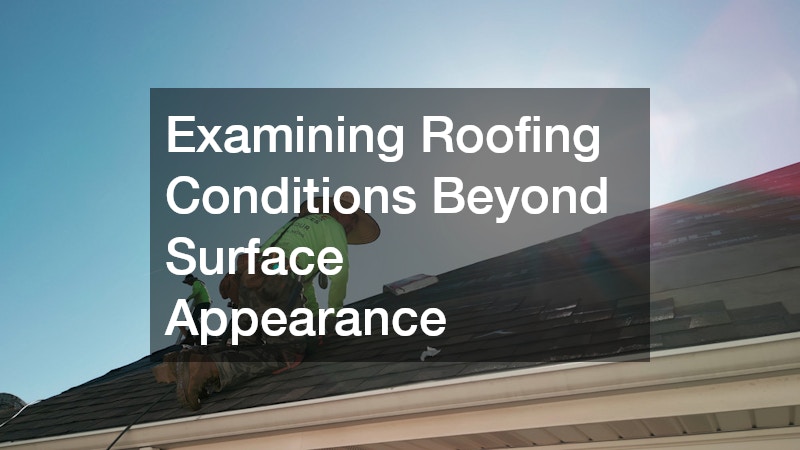
Roof problems are among the most intimidating inspection findings because they can affect nearly every part of the home. Water intrusion from roof damage may lead to mold, insulation problems, ceiling stains, and structural deterioration.
At first glance, a roof may appear perfectly acceptable from the ground. However, inspectors often uncover issues that buyers never notice during showings. Missing shingles, deteriorating flashing, soft spots, and improper drainage are all common concerns.
A recommendation for local roof replacement does not necessarily mean the roof is actively failing today, but it often means buyers should prepare for significant future expenses. Roof age is particularly important because many insurance companies now scrutinize older roofing systems more closely.
Buyers sometimes underestimate how quickly minor roof problems escalate. A small leak during one rainy season can quietly damage attic framing and insulation long before visible stains appear inside the home.
Several factors influence roof longevity, including:
- Climate exposure
- Ventilation quality
- Previous repair history
- Installation workmanship
- Roofing materials used
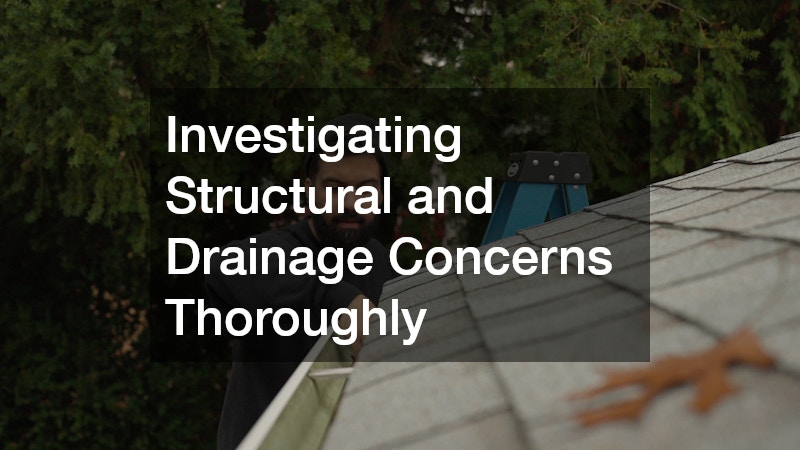
Inspectors may also identify drainage concerns around gutters and downspouts. Poor water management can damage siding, foundations, and landscaping over time.
If roofing concerns arise during an inspection, buyers should strongly consider obtaining estimates from qualified professionals before finalizing negotiations. Understanding realistic replacement costs prevents unpleasant surprises later.
Paying Attention to Exterior Safety and Entry Points
Exterior features often receive less attention during inspections because buyers naturally focus on kitchens, bathrooms, and living spaces. However, entry points and exterior systems can reveal important maintenance concerns.
Garage doors, for example, are heavier and more mechanically complex than many people realize. An inspection may uncover damaged tracks, failing motors, broken springs, or malfunctioning safety sensors. Recommendations involving garage door repairs should never be ignored because these systems can become serious safety hazards if neglected.
Imagine a family moving into a home with a garage door that occasionally sticks but still operates. A few weeks later, the door suddenly slams shut unexpectedly. Situations like this are more common than many buyers expect.
Windows deserve similar attention. Drafts, broken seals, cracked panes, or moisture buildup between glass layers often indicate declining efficiency or structural wear. Recommendations for glass repair may seem cosmetic initially, but damaged windows can significantly increase heating and cooling costs over time.
Inspectors also look for evidence of water intrusion around doors and windows. Even small gaps in sealing can allow moisture to enter wall cavities repeatedly.
Buyers should walk around the property slowly during inspections and observe details like:
- Softwood trim
- Peeling paint near windows
- Uneven door operation
- Water stains near thresholds
- Gaps around frames
These seemingly minor exterior issues sometimes point toward larger moisture-management concerns hidden beneath the surface.
Investigating Structural and Drainage Concerns Thoroughly
Structural problems tend to create the greatest anxiety for buyers because they often involve expensive repairs and long-term implications. Fortunately, not every crack or uneven surface signals disaster.
Inspectors commonly identify foundation settling in older homes. Some settling is normal over time, but large horizontal cracks, uneven floors, or sticking doors may indicate more serious movement.
Recommendations involving concrete contractors often arise when inspectors notice deteriorating driveways, walkways, patios, or foundation surfaces. Exterior concrete issues may seem secondary compared to interior systems, yet drainage problems frequently begin outside the home.
Water pooling near the foundation is one of the most common causes of long-term structural deterioration. Over time, excess moisture can weaken soil stability and create foundation movement.
One helpful way to think about structural concerns is to separate them into three categories:
Cosmetic Issues
Hairline cracks or small surface imperfections that do not affect structural integrity.
Functional Problems
Issues that interfere with normal operation, such as uneven floors or doors that no longer close properly.
Progressive Structural Concerns
Problems are likely to worsen over time without intervention, including foundation shifting or severe drainage failures.
Buyers should avoid assuming that all foundation concerns are catastrophic. However, they should also avoid dismissing visible warning signs simply because a home “looks fine overall.”
Sometimes, the most valuable step is bringing in a structural engineer for additional evaluation. While this adds another expense during the buying process, it can provide critical clarity before making a major financial commitment.
Drainage issues deserve particular attention because they affect multiple parts of the property simultaneously. Improper grading, clogged gutters, or deteriorating exterior surfaces can direct water toward the foundation repeatedly over many years.
Using Inspection Findings to Make Smarter Decisions
A home inspection report can easily overwhelm buyers because even well-maintained homes generate lengthy lists of observations and recommendations. The key is learning how to separate manageable maintenance items from truly significant concerns.
Not every issue requires aggressive negotiation. Cosmetic flaws, minor wear, and routine maintenance are normal parts of homeownership. Buyers who demand perfection may unintentionally lose otherwise excellent homes.
At the same time, certain findings deserve serious consideration. Safety hazards, water intrusion, structural instability, and failing major systems should never be brushed aside casually.
One effective approach is prioritizing inspection findings into tiers:
Immediate Concerns
Issues affecting safety or livability, such as electrical hazards, active leaks, or severe structural problems.
Near-Term Expenses
Systems likely requiring replacement within a few years, including aging HVAC equipment or deteriorating roofing.
Routine Maintenance
Smaller repairs and upkeep items can be addressed gradually after move-in.
Negotiation strategy matters as well. Sometimes requesting seller repairs makes sense, especially for safety-related problems. In other situations, buyers may prefer financial credits so they can oversee repairs personally after closing.
This approach often prevents rushed or low-quality work completed simply to satisfy contract requirements.
It also helps buyers establish realistic expectations. Every home, even newly built properties, requires maintenance over time. The goal of the inspection process is not to eliminate every imperfection but to understand the true condition of the property before finalizing the purchase.
A thoughtful inspection review can also help buyers create a future maintenance plan. Instead of reacting emotionally to a long list of findings, they can organize repairs by urgency, budget, and timing.
Homeownership always involves some level of ongoing responsibility. Buyers who understand inspection reports thoroughly are usually far better prepared for the realities of maintaining a home long after closing day.