Key Takeaways
- Start with a full home inspection to identify urgent repairs and create a clear action plan.
- Prioritize safety fixes first, including locks, detectors, and electrical issues.
- Address plumbing and HVAC concerns early to prevent costly damage and improve comfort.
- Improve energy efficiency by sealing gaps and maintaining proper insulation.
- Focus on essential repairs before cosmetic upgrades to stay within budget.
- Create a maintenance plan to keep your home in good condition over time.
- Take a gradual approach to upgrades and improvements instead of doing everything at once.
Moving into your first home is an exciting milestone. After all the paperwork, packing, and planning, you finally have a place to call your own. But once the boxes are inside and the keys are in your hand, a new phase begins—making your home safe, comfortable, and functional.
Many first-time property owners don’t realize how important it is to prioritize repairs and improvements right away. Some issues may seem small, but if ignored, they can turn into bigger and more expensive problems later.
This guide will help you focus on the most important repairs and upgrades to tackle after moving in, so you can protect your investment and enjoy your new space with confidence.
Start with a Full Home Inspection
Even if your home was inspected before purchase, it’s a good idea to do your own walkthrough after moving in.
Take time to check every part of your home, including:
- Walls and ceilings for cracks or leaks
- Floors for damage or uneven areas
- Windows and doors for proper sealing
- Plumbing fixtures for leaks
- Electrical outlets and switches
Make a list of everything that needs attention. This will help you prioritize tasks and plan your budget.
Look for urgent issues first. These are problems that affect safety or could cause damage if not fixed quickly.
Address Safety Repairs First
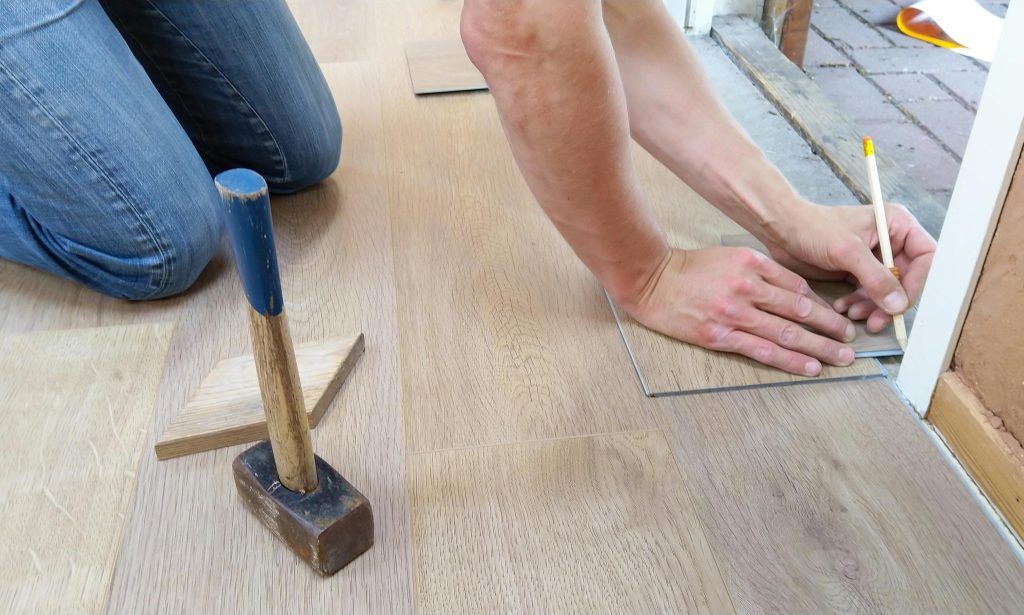
Safety should always be your top priority after moving into a new home. Before thinking about design updates or comfort upgrades, take time to make sure your home is secure and free from hazards. These early checks can prevent accidents, protect your family, and save you from costly repairs later on.
Check Smoke and Carbon Monoxide Detectors
Start by checking all smoke and carbon monoxide detectors in your home. These devices are your first line of defense in emergencies, so they need to be working properly at all times.
Test each detector and replace the batteries if needed. If the units are old or not functioning well, it’s best to replace them entirely. Ideally, you should have smoke detectors in every bedroom, outside sleeping areas, and on each level of your home.
For carbon monoxide detectors, place them near bedrooms and any area with fuel-burning appliances. This small step can make a big difference in keeping your household safe.
Secure Doors and Windows
Next, focus on securing all entry points. Even if the previous owner gave you all the keys, you can’t be sure who else might still have access.
Consider changing or rekeying all door locks as soon as possible. This is a simple and affordable way to improve your home’s security.
Check that all windows open, close, and lock properly. Repair any broken latches or damaged frames. You may also want to install additional security features like window locks or motion sensors for added peace of mind.
Fix Electrical Issues
Electrical problems can be dangerous if left unaddressed. Take time to inspect outlets, switches, and light fixtures throughout your home.
Watch out for warning signs such as:
- Flickering or dimming lights
- Warm or discolored outlets
- Buzzing sounds from switches
- Frequently tripped circuit breakers
If you notice any of these issues, contact a licensed electrician right away. Avoid trying to fix electrical problems yourself unless you have proper training, as this can be risky.
You may also want to consider installing ground fault circuit interrupters (GFCIs) in areas like kitchens and bathrooms for added protection.
Inspect Stairs and Railings
Stairs are one of the most common places where household accidents happen, so it’s important to make sure they are safe.
Check that all railings are firmly attached and can support weight without wobbling. Inspect each step for cracks, loose boards, or uneven surfaces.
If your home has multiple levels, ensure that stairways are well-lit. Adding non-slip strips or mats can also help reduce the risk of slipping, especially in homes with children or older adults.
Check for Trip and Fall Hazards
Beyond stairs, look around your home for anything that could cause someone to trip or fall.
Common hazards include:
- Loose rugs or mats
- Cluttered walkways
- Uneven flooring
- Exposed cords or wires
Secure rugs with non-slip pads, organize cables, and keep walkways clear. These small adjustments can greatly improve safety in your home.
Test Locks, Alarms, and Security Systems
If your home already has a security system, test it to make sure it’s working properly. Update any access codes and familiarize yourself with how it operates.
If there’s no system in place, consider installing basic security features such as:
- Doorbell cameras
- Motion-sensor lights
- Alarm systems
These upgrades not only improve safety but can also give you peace of mind, especially at night or when you’re away from home.
Taking Safety Seriously from Day One
Addressing safety repairs right away helps you create a secure and comfortable living environment. While it may not be the most exciting part of moving in, it’s one of the most important.
By taking the time to check detectors, secure entry points, fix electrical issues, and remove hazards, you’re protecting both your home and the people in it. Starting with these essential steps gives you confidence as you move on to other improvements and helps ensure your new home is a safe place to live for years to come.
Fix Plumbing Problems Early
Plumbing issues are common in many homes, especially older ones. Even small leaks can lead to water damage and mold if left untreated.
Check for:
- Dripping faucets
- Running toilets
- Leaky pipes under sinks
- Low water pressure
Fixing these issues early can save you money on water bills and prevent costly repairs later.
If you notice signs of major problems, such as water stains or a musty smell, it’s best to call a professional plumber.
Inspect and Maintain the HVAC System
Your heating, ventilation, and air conditioning (HVAC) system plays a big role in your comfort.
Start by:
- Replacing air filters
- Cleaning vents and ducts
- Checking thermostat settings
If your system hasn’t been serviced recently, consider scheduling a professional inspection.
A well-maintained HVAC system improves air quality, reduces energy costs, and extends the life of your equipment.
Seal Gaps and Improve Insulation
Many new homeowners overlook small gaps and poor insulation, but these can affect your home’s energy efficiency.
Check around:
- Windows and doors
- Baseboards
- Attics and basements
Seal gaps with caulk or weatherstripping to prevent drafts. This helps keep your home comfortable and lowers your utility bills.
Improving insulation is a smart long-term investment, especially if you live in an area with extreme temperatures.
Prioritize Roof and Exterior Repairs
The outside of your home protects everything inside. That’s why it’s important to check the exterior as soon as possible.
Inspect the Roof
Look for missing or damaged shingles. Check for signs of leaks, such as water stains on ceilings.
Check Gutters and Downspouts
Clean out debris and make sure water flows away from your home.
Examine the Siding and Paint
Cracks or peeling paint can lead to moisture problems. Fix these issues early to prevent damage.
Keeping your home’s exterior in good condition helps protect your property and maintain its value.
Upgrade Lighting and Electrical Features
Lighting plays a big role in how your home looks and feels. It’s also an easy upgrade for first-time homeowners.
Consider:
- Replacing outdated light fixtures
- Adding brighter bulbs for better visibility
- Installing energy-efficient LED lighting
You may also want to add more outlets or upgrade switches for convenience.
These small changes can make a big difference in your daily comfort.
Deep Clean Before Fully Settling In
Before unpacking everything, take time to deep clean your new home.
Focus on:
- Floors and carpets
- Kitchen surfaces and appliances
- Bathrooms
- Cabinets and closets
Cleaning now is much easier when the space is still empty. It also gives you a fresh start in your new home.
You can choose to do this yourself or hire a professional cleaning service.
Paint and Personalize Your Space
Once the essential repairs are done, you can start making your home feel like your own.
Painting is one of the easiest and most affordable ways to transform a space. Choose colors that reflect your style and create a comfortable atmosphere.
You can also:
- Add shelves or storage solutions
- Update hardware on cabinets
- Hang curtains or blinds
These improvements don’t just make your home look better—they also improve functionality.
Create a Maintenance Plan
Owning a home means ongoing maintenance. Creating a simple plan helps you stay on top of tasks and avoid bigger problems.
Your maintenance plan should include:
- Monthly checks (filters, leaks, cleaning)
- Seasonal tasks (gutter cleaning, HVAC servicing)
- Annual inspections (roof, plumbing, electrical)
Keeping track of these tasks ensures your home stays in good condition over time.
Budget for Repairs and Improvements
It’s important to manage your finances carefully after moving in. Repairs and upgrades can add up quickly if you’re not prepared.
Start by setting a budget for:
- Immediate repairs
- Short-term improvements
- Long-term upgrades
Prioritize needs over wants. Focus on fixing problems before spending money on cosmetic changes.
Having a clear plan helps you avoid overspending and stay financially stable.
Focus on Kitchen and Bathroom Updates
Kitchens and bathrooms are some of the most used areas in your home. Improving these spaces can increase comfort and value.
You don’t need a full renovation right away. Start with simple updates like:
- Replacing faucets
- Updating cabinet handles
- Improving lighting
These small changes can make a big impact without costing too much.
Improve Storage and Organization
After moving in, you may realize your home needs better storage.
Consider adding:
- Closet organizers
- Shelving units
- Storage bins
Good organization makes your home more functional and easier to maintain.
It also helps reduce clutter and creates a more relaxing environment.
Check Flooring and Make Necessary Repairs
Floors take a lot of wear and tear, so it’s important to check their condition.
Look for:
- Scratches or dents
- Loose tiles
- Worn carpets
Repair or replace damaged flooring as needed. This not only improves the look of your home but also prevents accidents.
Plan for Future Upgrades
Not everything needs to be done right away. Some improvements can wait until you have more time and budget.
Make a list of future upgrades, such as:
- Remodeling rooms
- Adding outdoor spaces
- Upgrading appliances
Having a long-term plan helps you stay organized and focused.
Stay Organized with a System
Managing all your tasks can feel overwhelming, especially as a first-time homeowner.
Using a system like a notebook, app, or planner can help you keep track of:
- Repairs
- Expenses
- Maintenance schedules
Following a structured approach to your new home setup and repairs ensures that nothing important gets overlooked.
Avoid Common First-Time Homeowner Mistakes
Many new homeowners make similar mistakes when settling in.
Some common ones include:
- Ignoring small repairs
- Spending too much on decor too soon
- Not setting a budget
- Skipping regular maintenance
Being aware of these mistakes can help you avoid them and make better decisions.
Final Thoughts
Moving into your first home is just the beginning of your journey as a property owner. Taking the time to prioritize the right repairs and improvements can make a big difference in your comfort, safety, and finances.
Start with essential fixes like safety, plumbing, and electrical issues. Then move on to improvements that enhance your living space, such as lighting, painting, and organization.
Remember to plan your budget carefully and tackle projects step by step. You don’t have to do everything at once.
With the right approach, your new house will quickly become a safe, functional, and welcoming home.